Essential Insights for Your Next Flooring Endeavor
Starting a floor tiling project can be both exciting and challenging. With the right plan, it becomes manageable. Whether you’re updating your kitchen or bathroom, laying tiles is an effective way to enhance your home. But before you start, there are several factors to consider. From choosing the right materials to preparing your surface, these elements play a crucial role in ensuring success. This guide will help you navigate these steps with ease.
Selecting Suitable Materials
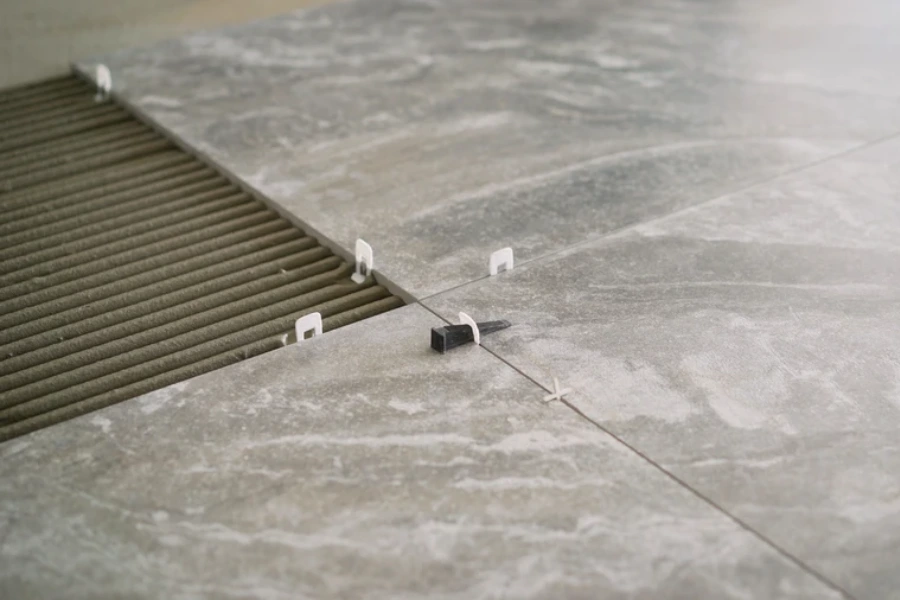
The choice of materials can significantly impact the outcome of your project. Each type of tile offers unique benefits. Porcelain tiles are durable and water-resistant, making them ideal for bathrooms and kitchens. Ceramic tiles provide versatility in design and color but may not be as durable as porcelain. Additionally, natural stone tiles add a touch of elegance but require more maintenance. Consider the room’s function when selecting your materials.
Understanding Tools Needed for the Project
A successful floor tiling project requires specific tools. The essential tools include a tape measure, tile cutter, level, and trowel. A mixing paddle is necessary if you’re preparing adhesive or grout yourself. Safety gear like gloves and goggles protect you during the process. Owning or renting these tools ensures that installation proceeds smoothly and efficiently.
Preparation Steps Before Installation
Proper preparation is key to achieving long-lasting results. Begin by cleaning the surface where the tiles will be placed. Remove any debris or old adhesive to ensure a flat base. Check the subfloor’s stability since uneven surfaces can cause future problems. Measure your area carefully to determine how many tiles you’ll need, allowing for about 10% extra for cutting errors and replacements.
- Clean the area thoroughly
- Inspect and repair the subfloor if needed
- Measure twice to ensure accuracy
- Buy additional tiles for mistakes and future repairs
Common Challenges During Installation
Several challenges can arise during a tiling project. Uneven floors are a common issue that can lead to cracked tiles later on. Additionally, cutting tiles without proper tools can result in wasted materials. Misaligned tiles create an unprofessional appearance. To prevent these issues, take time to level your floor and use quality cutting tools.
Solutions and Best Practices
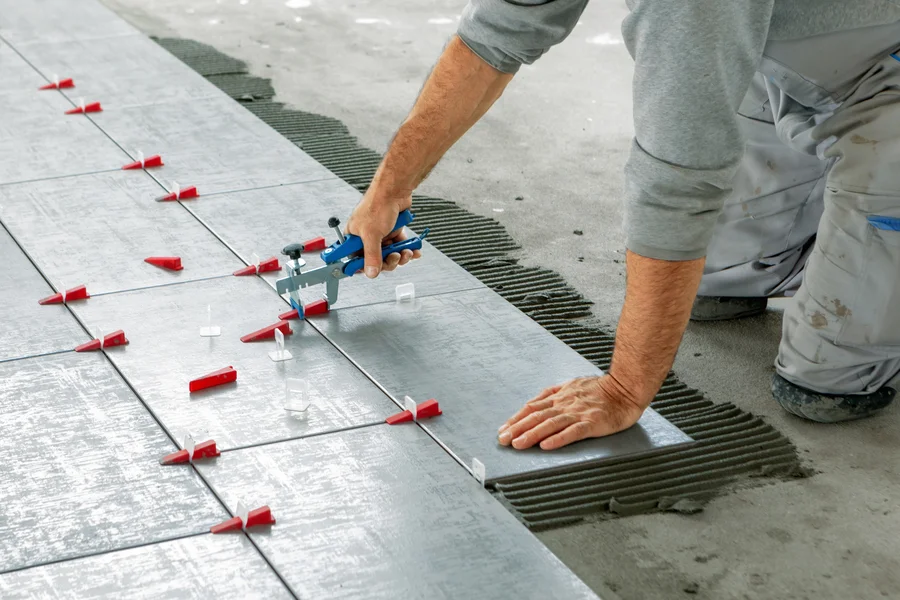
Tackling these challenges requires strategic solutions. For uneven floors, apply a leveling compound before starting. Invest in a reliable tile cutter for precise cuts. Use spacers between each tile to ensure even spacing and alignment. Follow manufacturer instructions for adhesive application to secure tiles effectively.
- Level the floor with compounds if necessary
- Invest in high-quality tile-cutting tools
- Place spacers between tiles for consistency
- Apply adhesive evenly following guidelines
Budget Considerations for Your Project
Cost is a major consideration for any home improvement project. Material costs vary based on type and quality, so factor this into your budget. Labor can also be significant unless you choose a DIY approach. Don’t forget to account for unexpected expenses such as replacing damaged tiles or buying extra materials. A detailed budget helps manage expenses better.
Final Recommendations and Next Steps
Your next flooring project can be rewarding with careful planning and preparation. Equip yourself with the right tools and knowledge before starting. Always account for potential issues and plan accordingly to avoid surprises. If you’re located in Orange, CT, reach out to us at Amel Tile Marble And Stone Design LLC for expert advice and assistance with your floor projects. Call (475) 294-2284 today to learn more about our services!